










Workplace Wellbeing exists for a reason: the research is unambiguous. Regular massage can support relaxation and help employees take a meaningful pause during the working day. And yet, the vast majority of London companies have still not introduced it as a staff benefit. Why?
The perception problem
For years, workplace massage carried a slightly indulgent reputation — the kind of thing you might find at a tech giant's campus in California, not in a busy professional services firm in the City. That perception is changing rapidly, driven by a new generation of HR leaders who understand the distinction between perks and genuine investment.
"The companies that retain the best people are the ones that treat those people as whole human beings — not just resources." — CIPD Wellbeing Report, 2023
What actually happens in a session
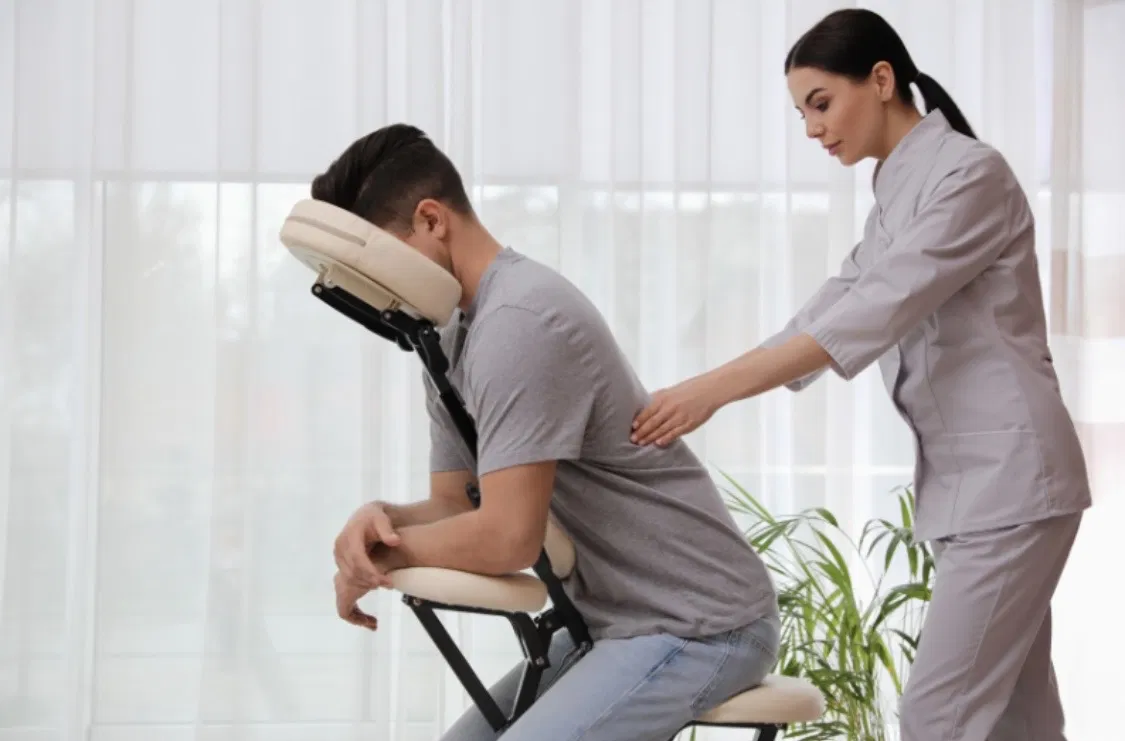
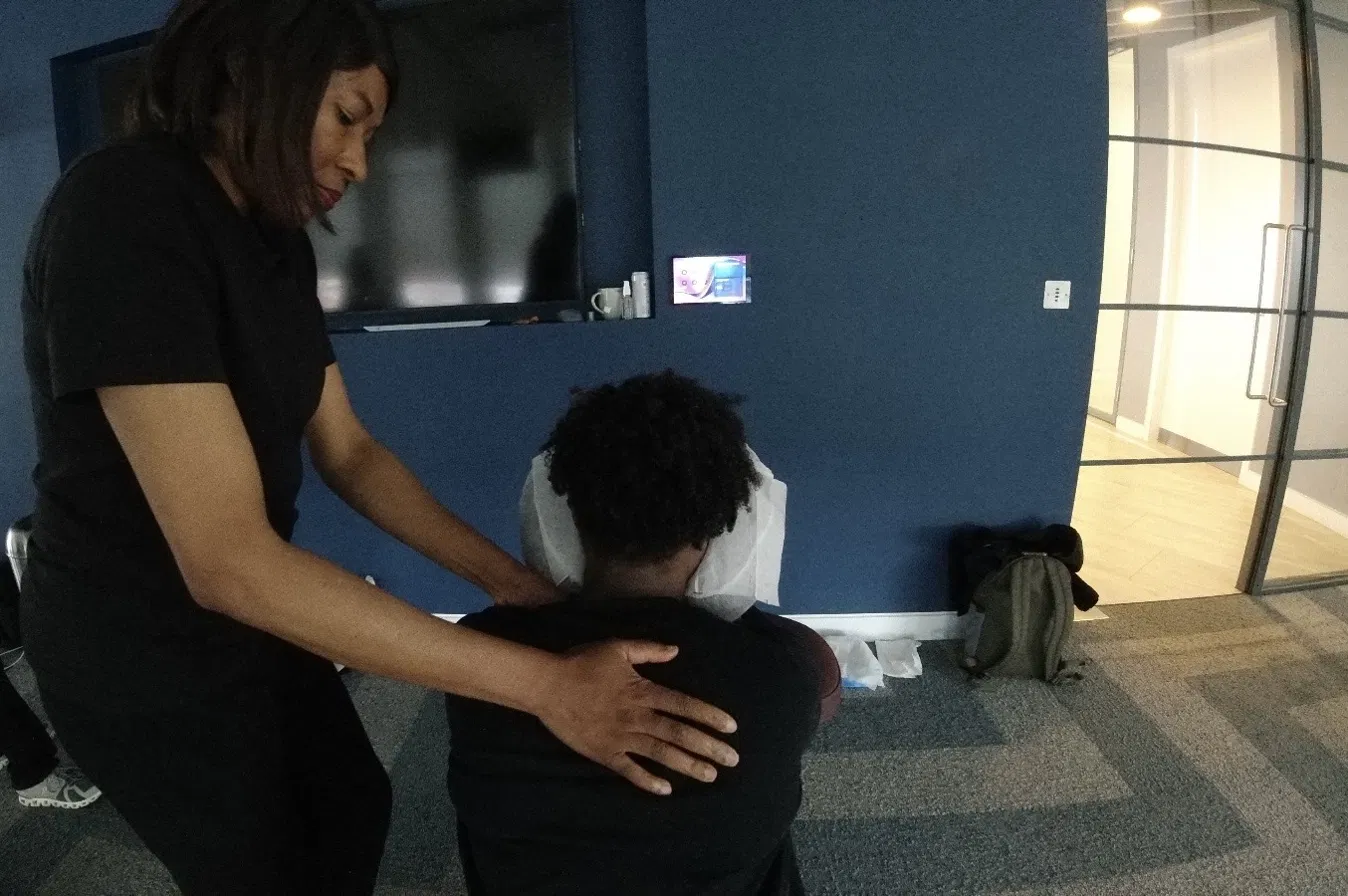
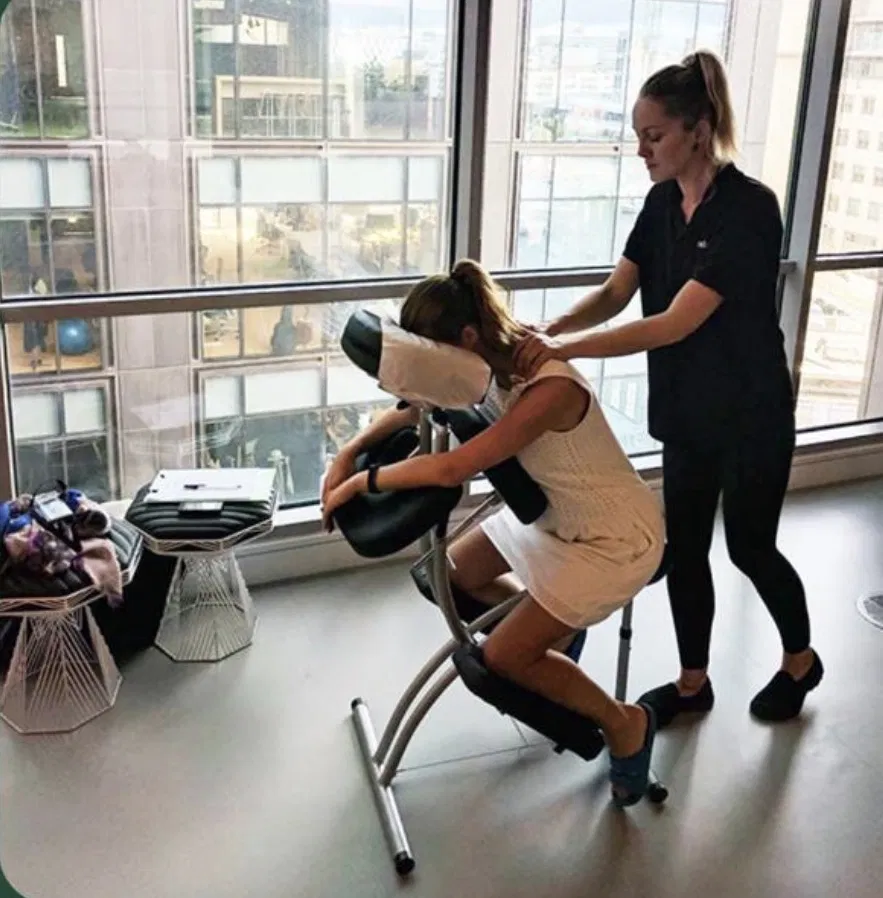
A 20-minute seated office massage — fully clothed, at your desk or in a quiet room — triggers a measurable parasympathetic response. The nervous system shifts out of fight-or-flight. Cortisol drops. Oxytocin rises. Employees return to their work calmer, sharper, and meaningfully more productive. For teams who can't step away from their desks at all, our desk massage service delivers much of the same benefit in even less time.
At Templum Wellness, we see this every week
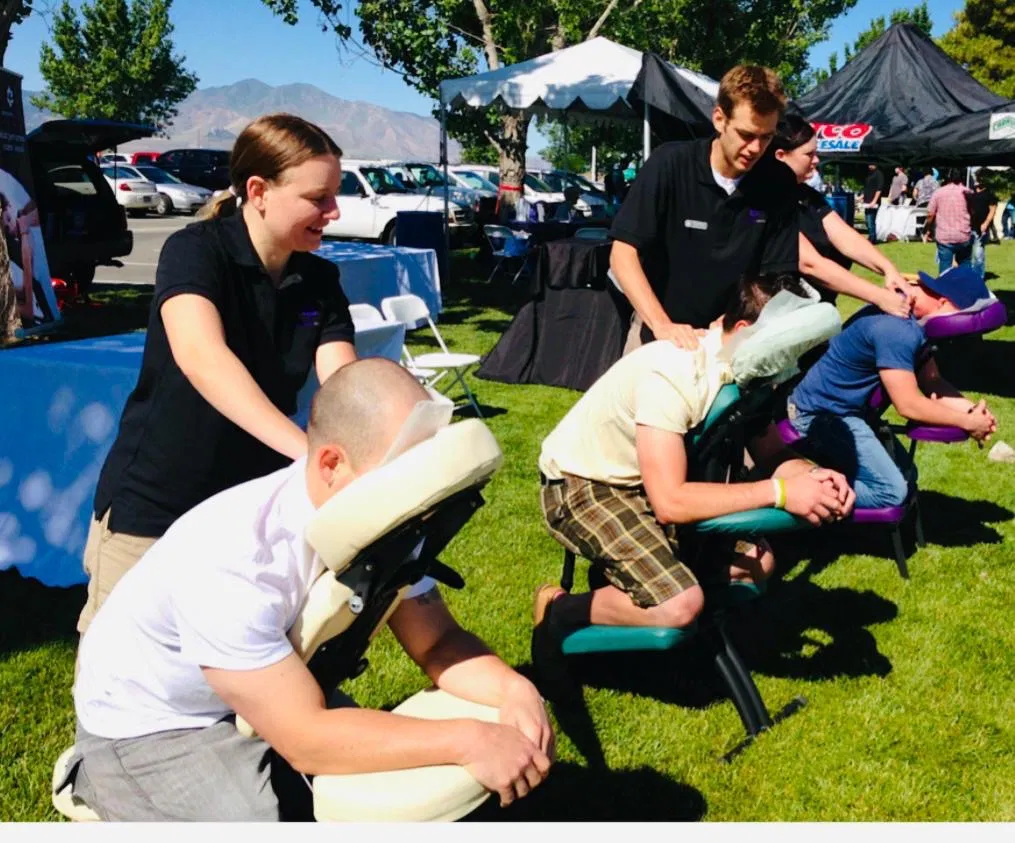
At Templum Wellness, we see the shift happen in real time — shoulders drop, breathing slows, and people leave the chair visibly lighter than when they sat down. During Workplace Wellbeing in particular, we work with HR teams across London to run dedicated massage days that give the whole conversation around stress a physical, tangible expression, rather than another email nobody reads.
The retention angle
In a landscape where the cost of replacing an employee is estimated at 6–9 months of their salary (Work Institute, 2023), physical wellbeing benefits are increasingly cited as a reason people stay. Massage is tangible. It is experienced in the body, not just announced in a policy document. If you're weighing up whether shorter, more frequent sessions or longer investment days work best for your team, our piece on the productivity paradox explores exactly that trade-off.

Key takeaways
Corporate massage is not a luxury. It is one of the most evidence-backed, cost-effective, and immediately impactful wellbeing investments available to HR leaders today — and Workplace Wellbeing is as good a moment as any to bring it into your workplace.
References
Field, T. (2016). Massage therapy research review. Complementary Therapies in Clinical Practice, 24, 19–31. doi:10.1016/j.ctcp.2016.04.005
CIPD (2023). Health and Wellbeing at Work Survey. Chartered Institute of Personnel and Development.
Work Institute (2023). 2023 Retention Report. workinstitutemrkt.com